BonitatheGreat: Process & Development

  • Research & Developing concept

    Responding to the Soundtrack

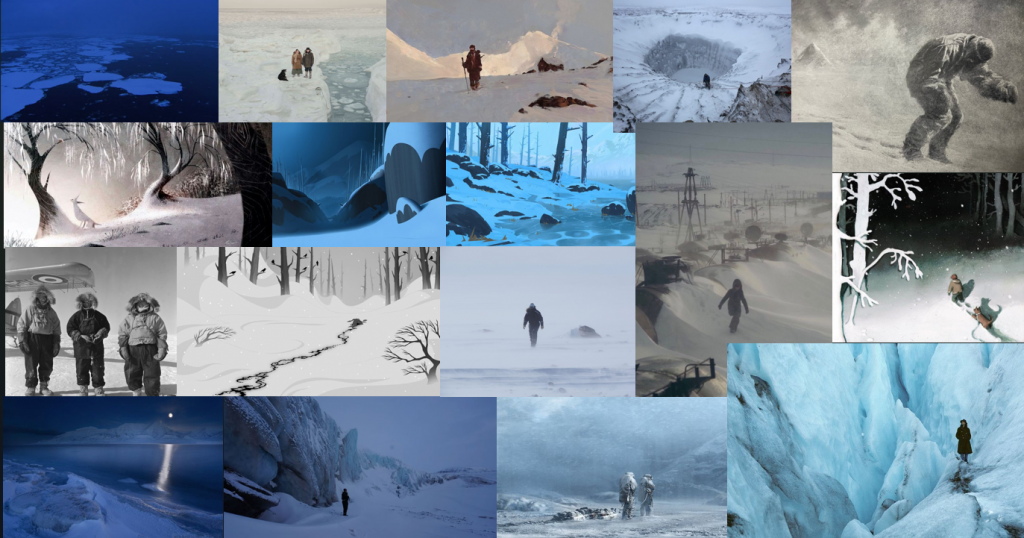
    Mirages & Arctic Hallucinations

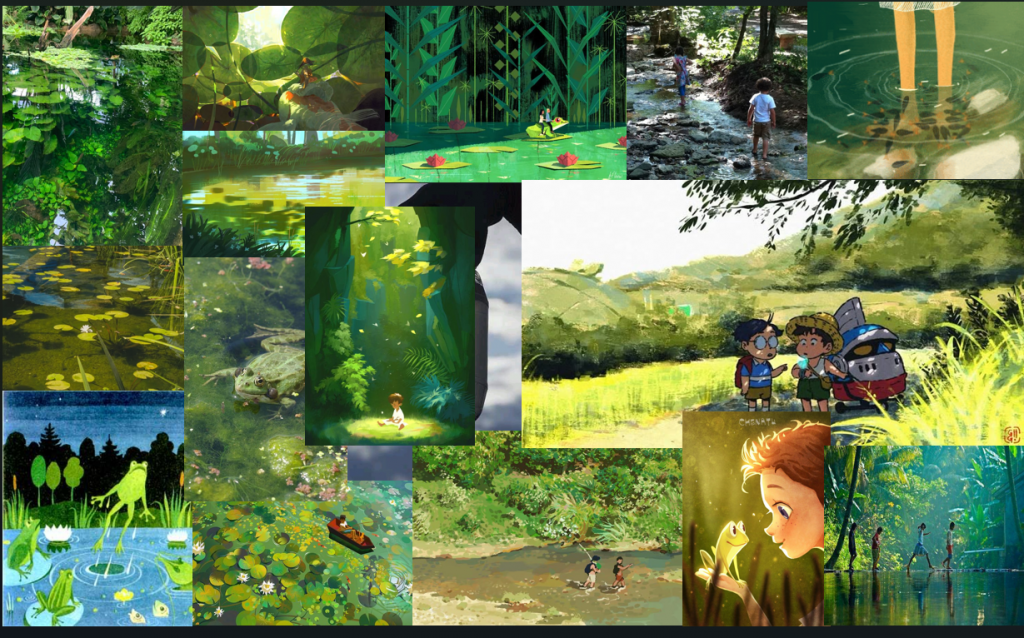
    The prominent sound of the animal in the soundtrack was really hard to identify. I knew it was a frog, but I wasn’t sure and wanted to be more accurate. After a lot of research, I discovered it’s an American bullfrog. I really wanted to find out what animal it was to help with the setting. I wasn’t sure if it would be a rainforest or not. American bullfrogs are commonly found in ponds or swamps in Eastern North America and Canada. I was glad it wasn’t a rainforest since it would be a lot harder and unbelievable to find a kid exploring in a rainforest on his own.

    Influences & Visual Inspiration

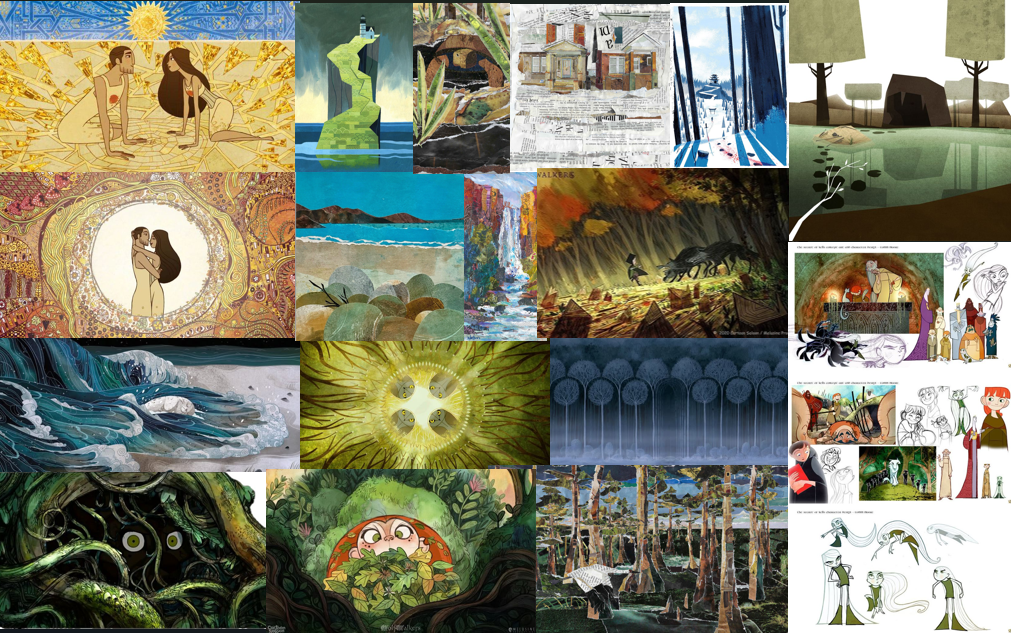
    Having all this information, I was now ready to start conceptualising the visual aspect of my storyline and deciding on how I would incorporate a mixed media element into my work. I had been looking into lots of mixed media animations. When it comes to non-digital animations, I do prefer paper animation more. I find it interesting, and I have tried it before and it was fun, and I do think I could improve on it now if I decided to make a paper puppet for my main character. However, I came across on TikTok an artist called Karson Schenk that used interesting techniques in their animations. They animated with scrap pieces of paper, like a collage. I found these very fascinating and looked into how I could create something similar to this.

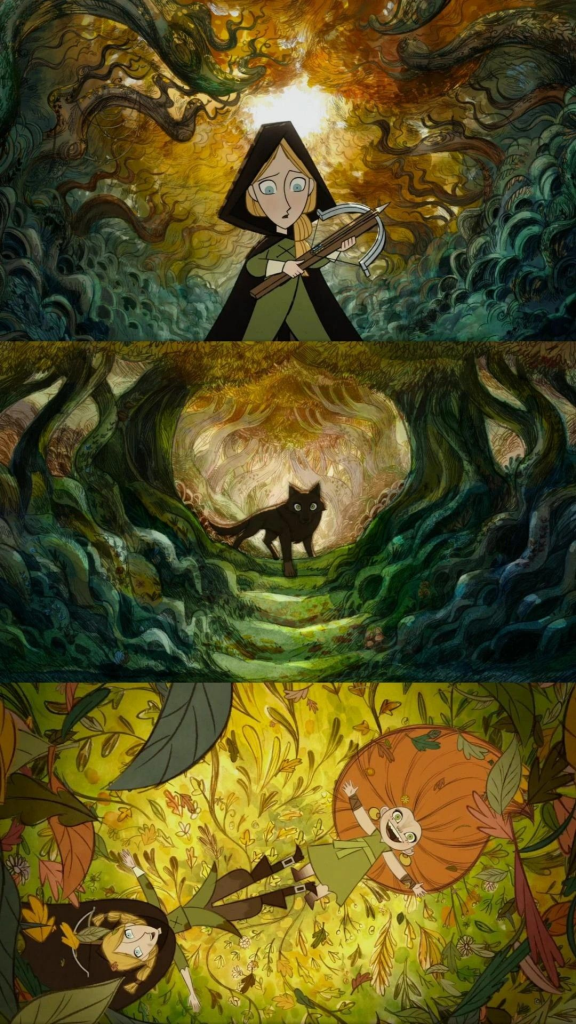
    I overall loved the idea of using patterns and mixed media textures in my animation, subtle or dramatic. An animation that stood out for me a lot and I knew I wanted to research as well and take inspo from was the movie Wolfwalkers by Cartoon Saloon. I hadn’t watched the movie before, but I always saw the screen caps from the movie all over my Pinterest and I really liked the use of texture, pattern, and detail. I also really admired how the simplicity of the character design contrasted the backgrounds, and I love how the character designs are so geometric and how they use shape language so well.

    Moodboards

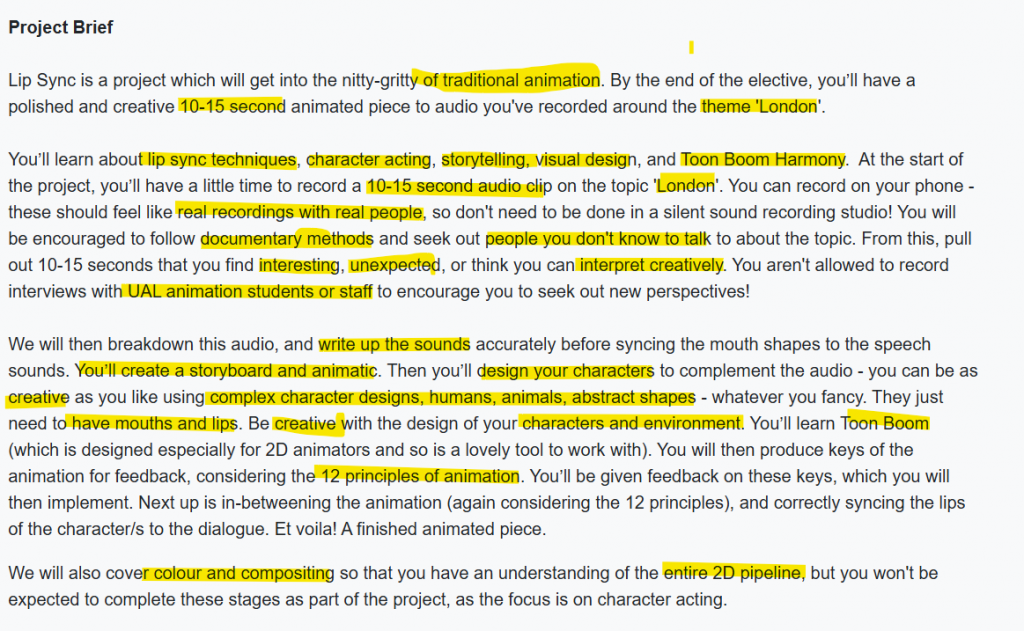
  • Lip sync: project brief

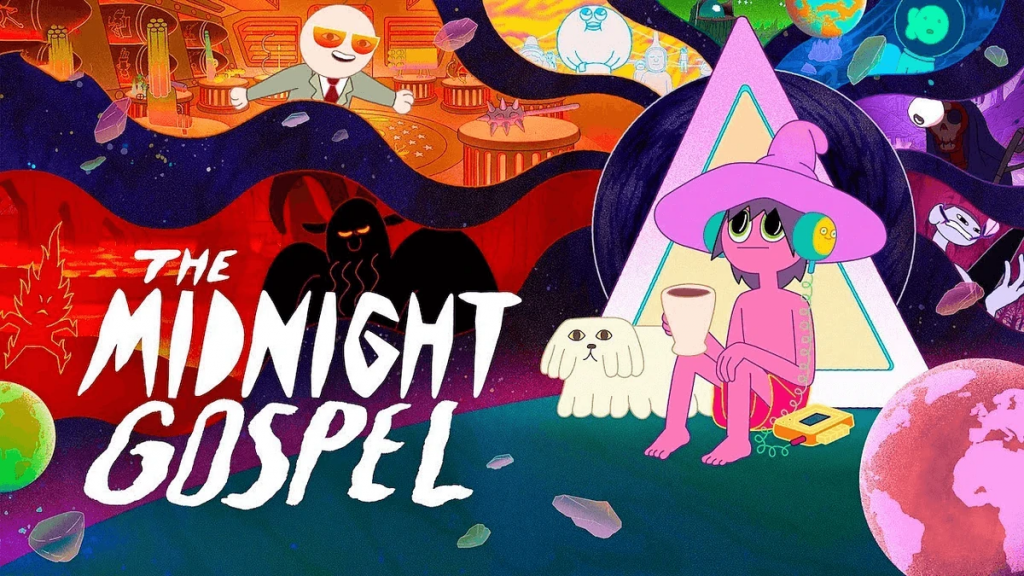
    Looking at this project’s brief, I find it a lot scarier than my first elective since I have to initiate a conversation with a complete stranger and ask if I can record them. This is or was one of my worst nightmares, but I have been getting out of my shell ever since starting university, so in a way it’s a challenge that I’m excited but nervous to accomplish. Concept-wise this project reminded me a lot of Midnight Gospel, which was a tv show of a podcast animated over and included aliens and bizarre concepts that i found really cool. I definitely want to make a very interesting character design for this project and have a really abstract visualisation to whatever audio i end up finding.

  • Sonic visions: project brief

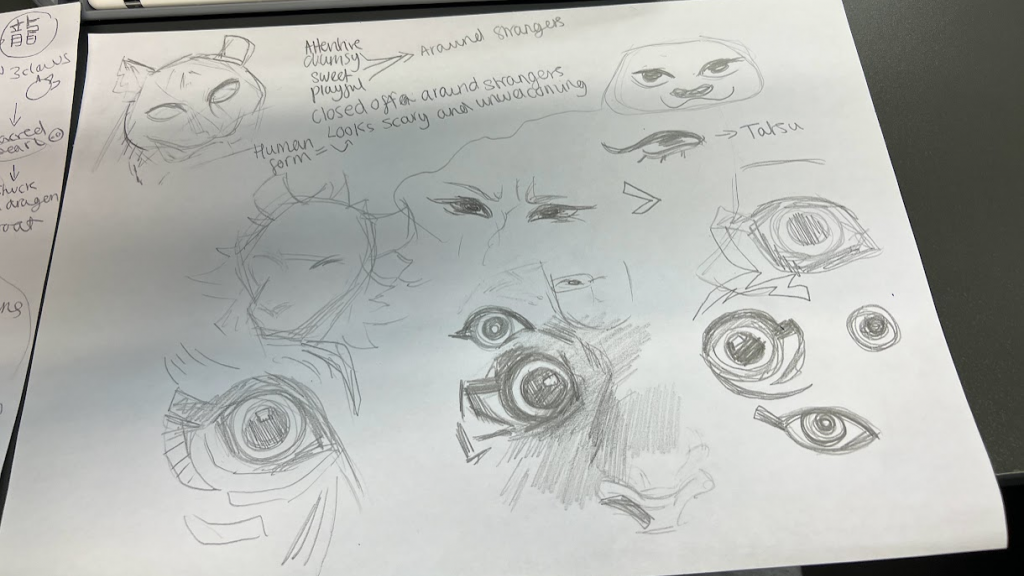
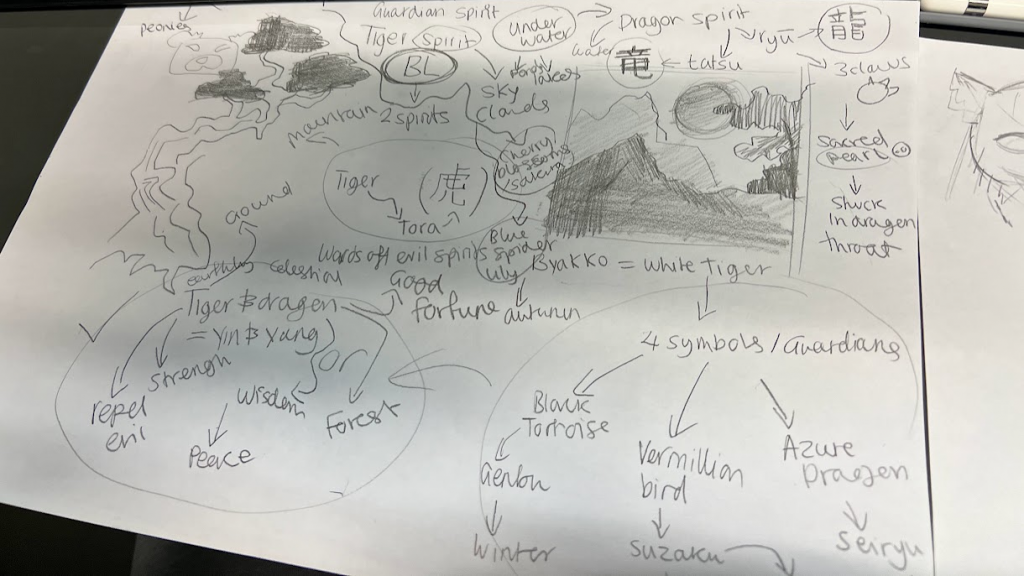
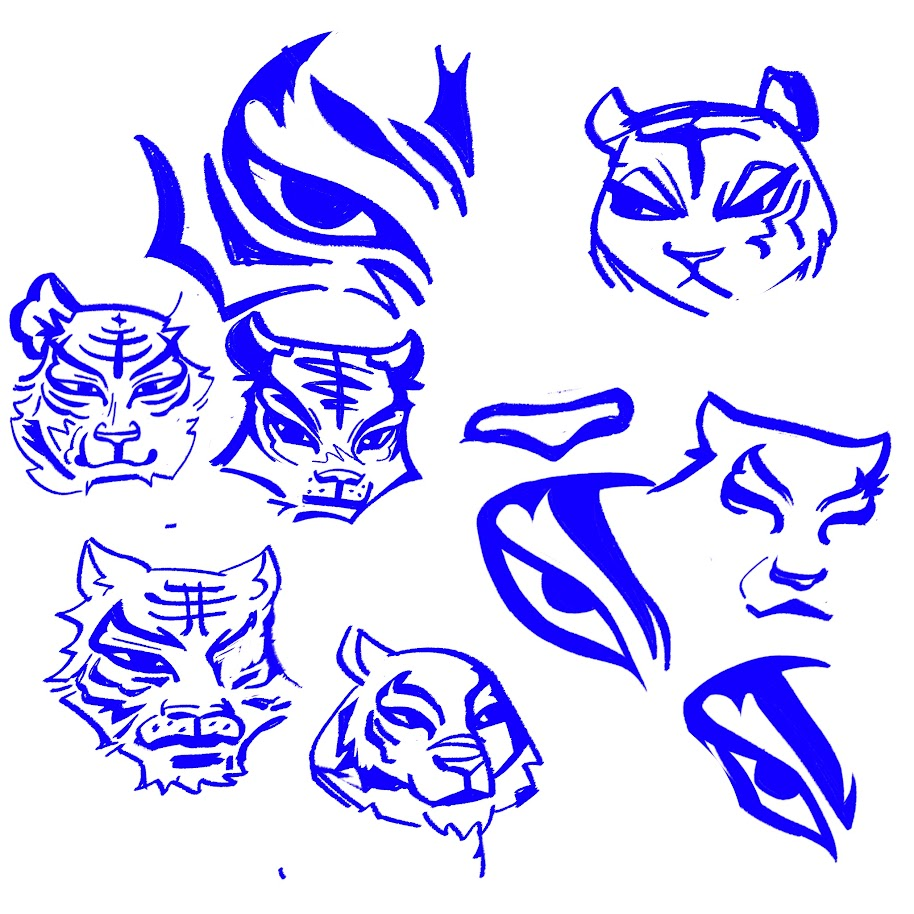
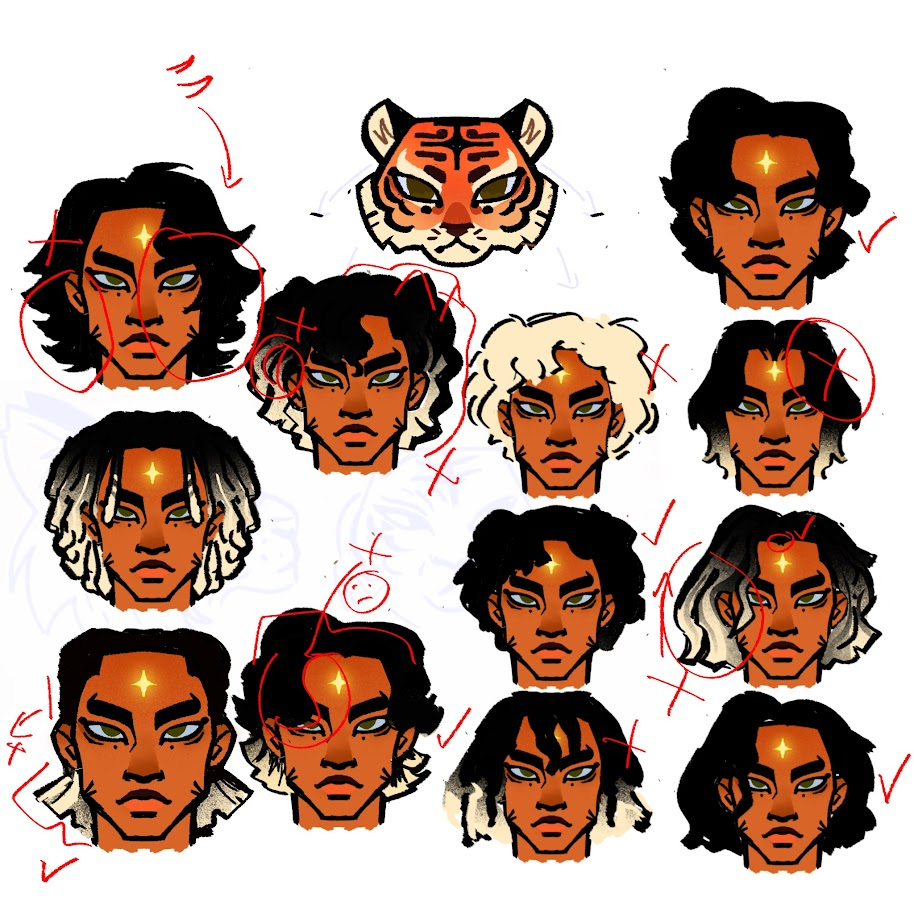
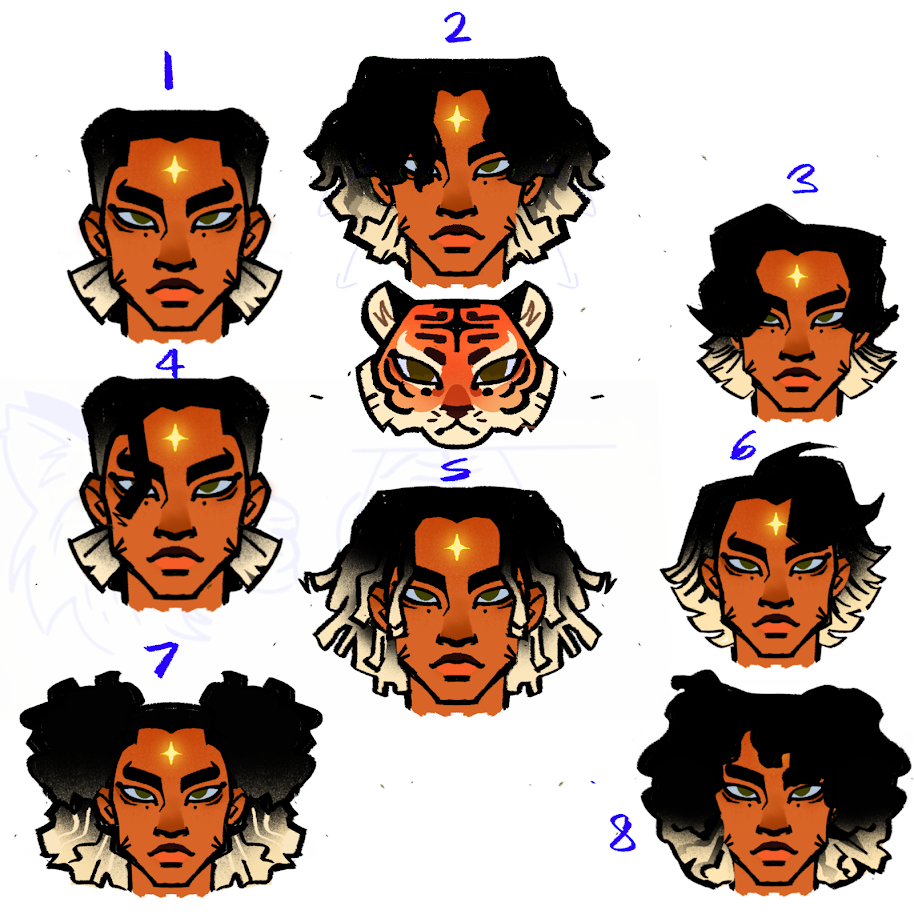
  • Tora design

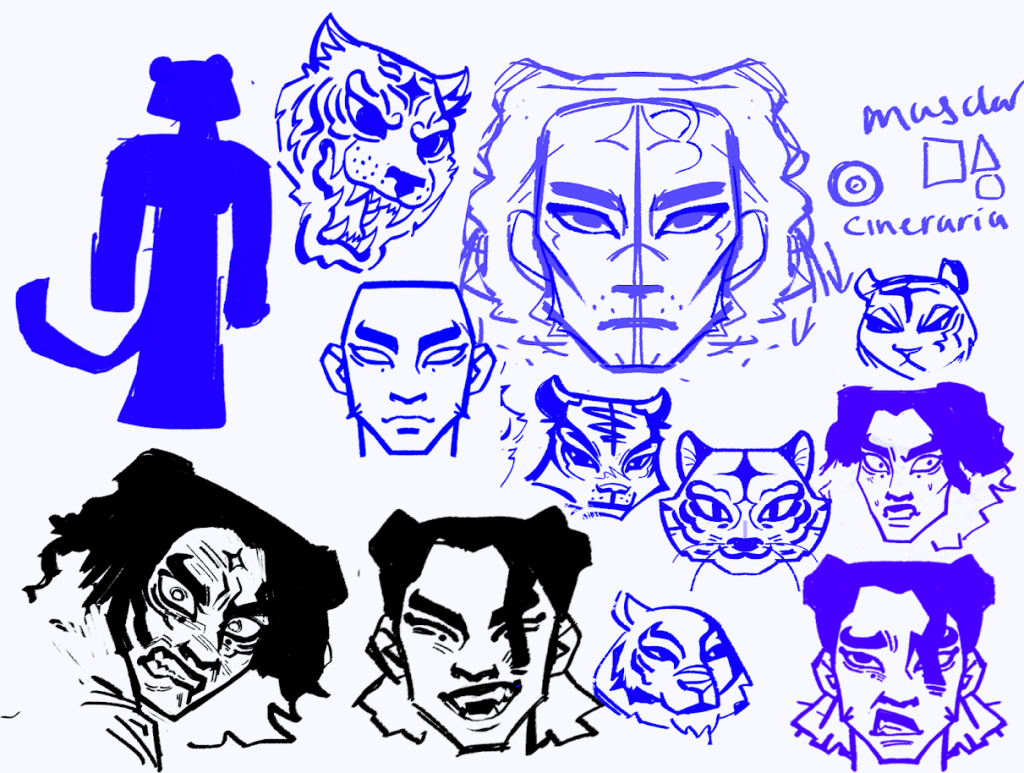
    in this rotation we had to design an original charecter i decided that i wanted to challenge my self by designing an animal oc in the breaking character classes we were told to think of three words that describe our chareceters personality and from there start developing the charecter it took me while to land on my three words in the frist class i focused on figuring out the story and who my charecteres where i wanted the story to be about japanese guarian spirits a dragon and a tiger guardian spirit i tried to do some research ion dragon and tiger spirits to help me develop my ideas on their personality and environment


    in the next class we were meant to make an abstract version of our character i made my charecter a tiger silhouette with paint in the classroom i felt like i could have made more and tried to push my tiger guardian spirits design to be more avbstract i also made sketchbook drawing with markers i did a soplit face of bioth guardian spirits dragon and tiger


  • Cardboard Puppet Transformation Animation (Group Project)

    I made a Padlet where I put all my stop motion and other rotation animations since I wasn’t able to upload them here.


  • the disappearing animator

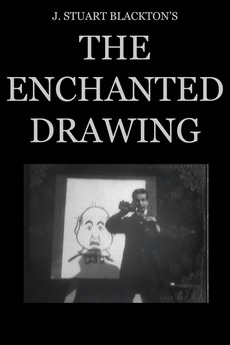
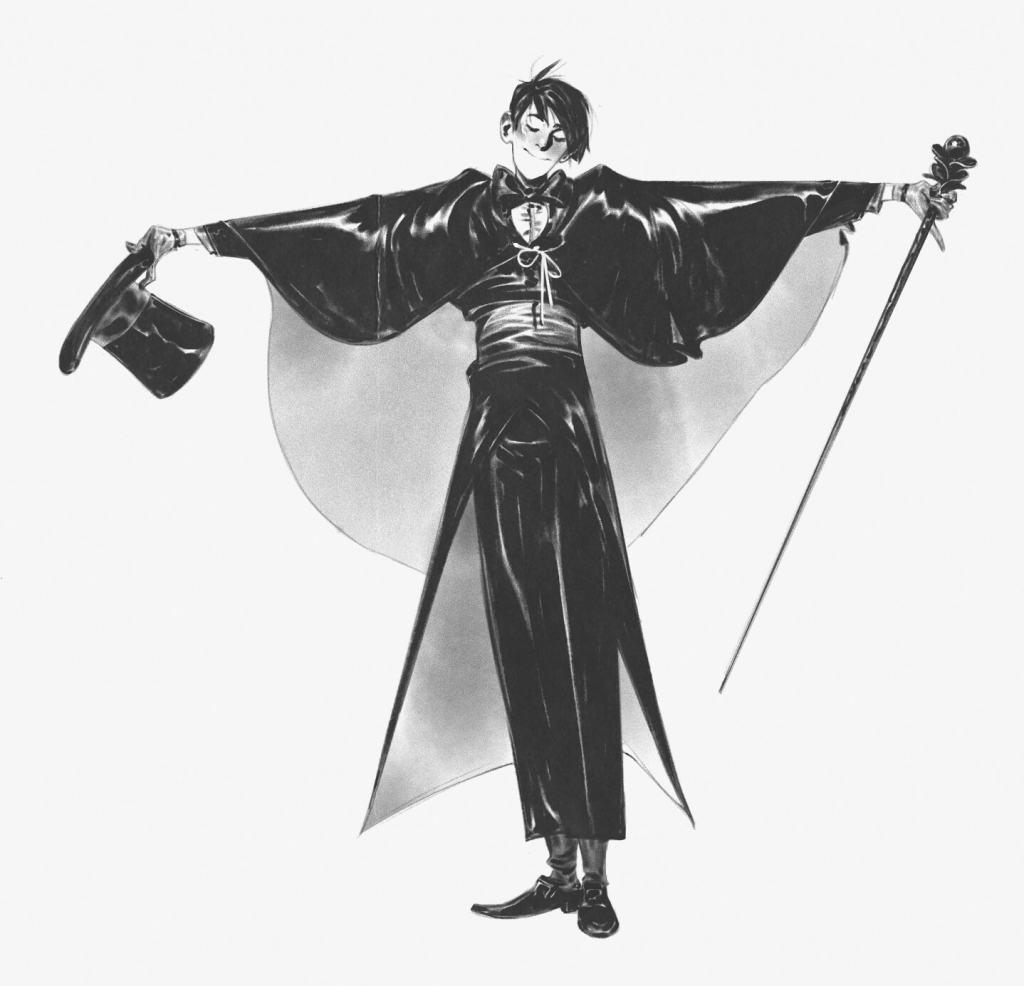
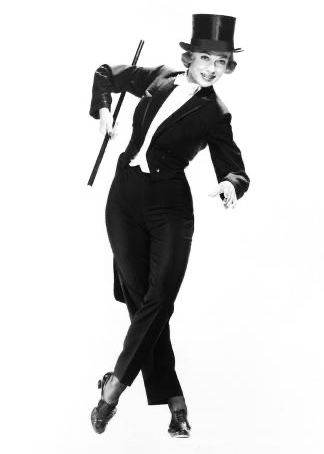
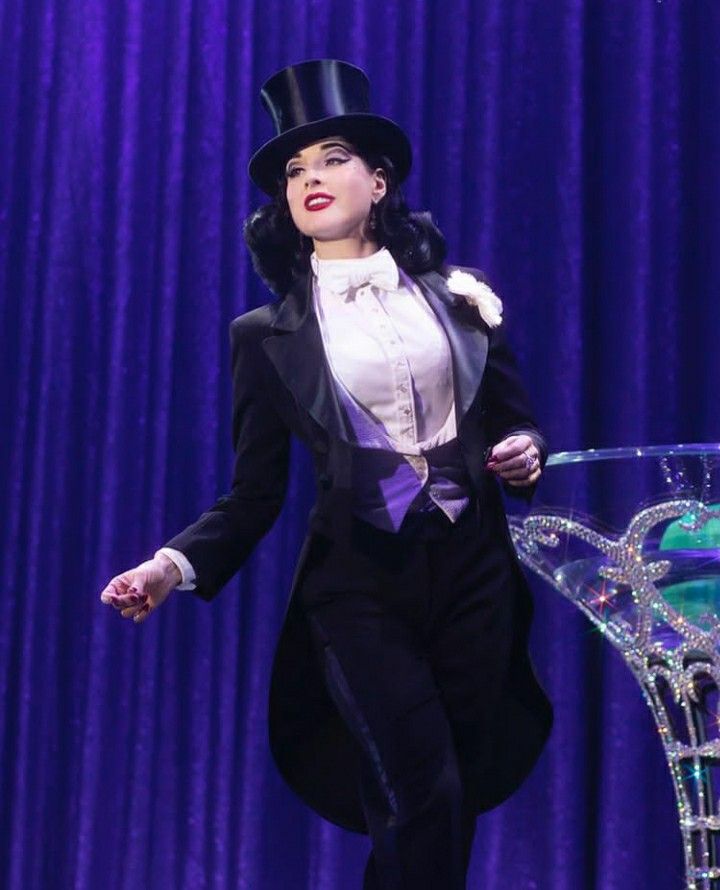
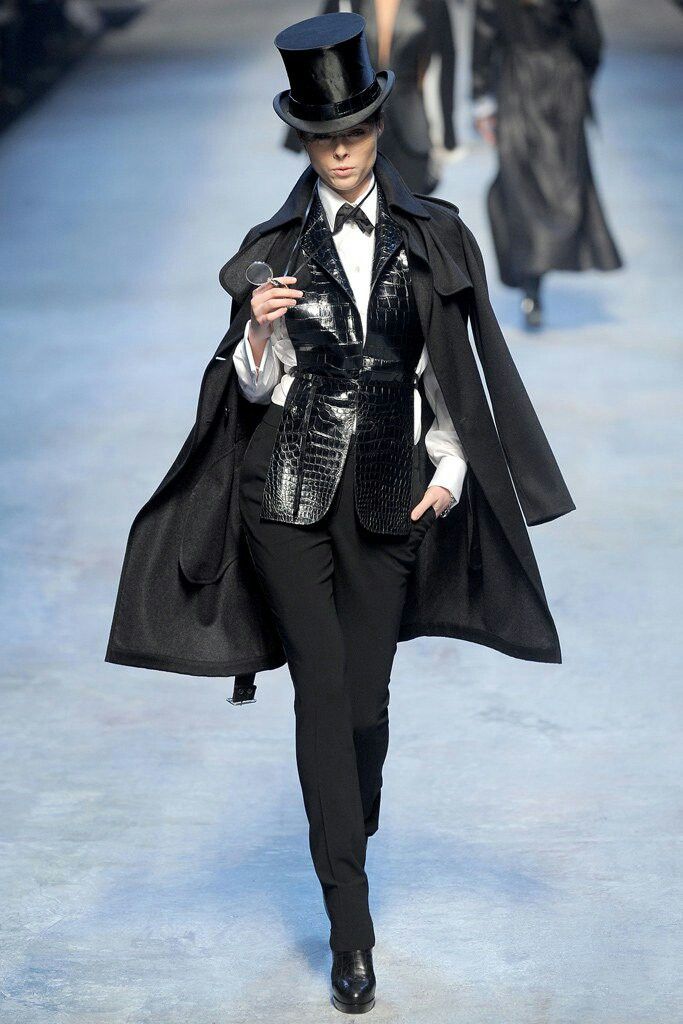
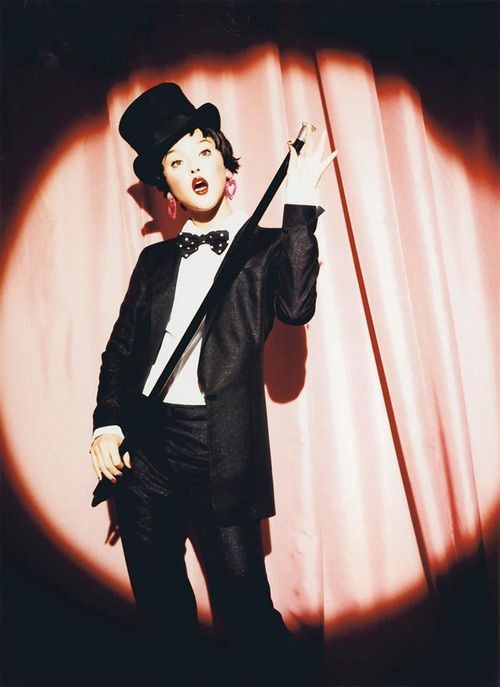
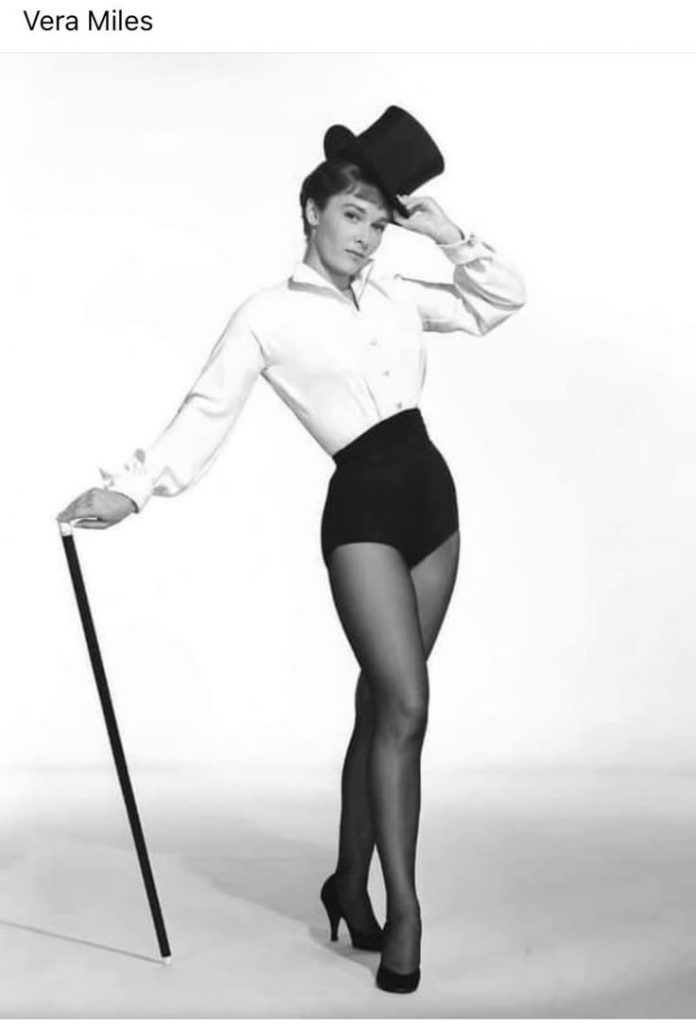
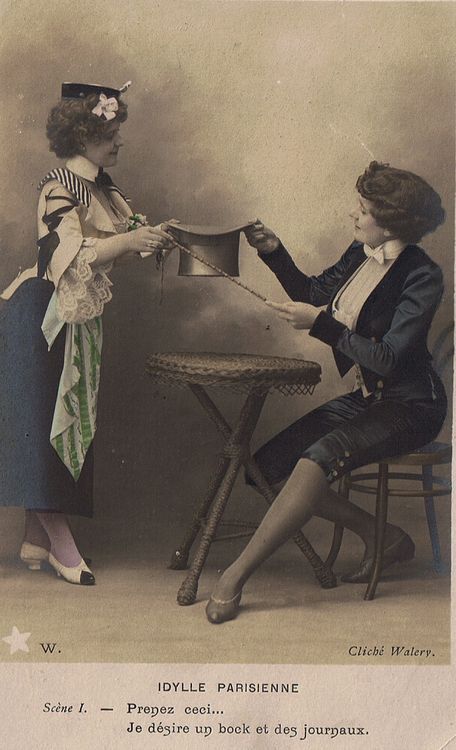
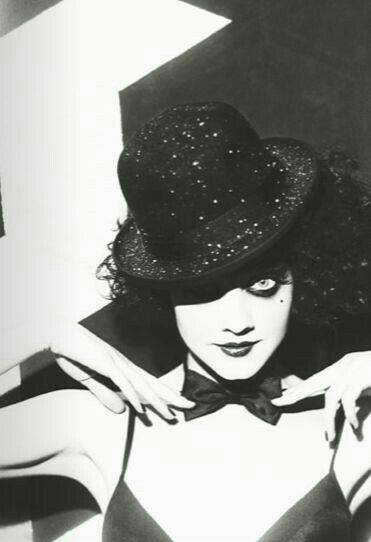
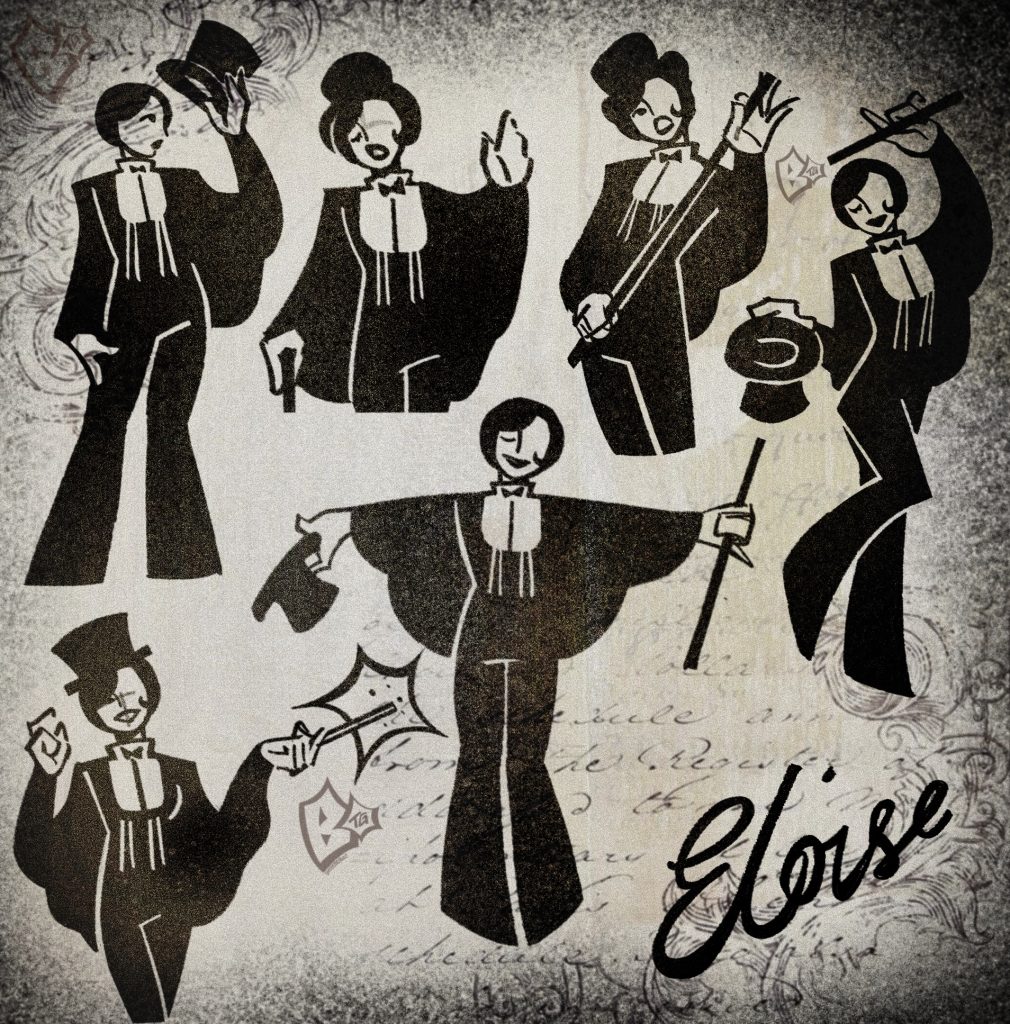
    For my project Since I was inspired by Blackton’s enchanted drawing animation, I decided that I would make the main character of my animation a magician. I did some doodles, playing around with suits and magician hats. I liked the idea of only having part of her face shown, since it looked iconic on her and made things easier for me. I wanted her design to look like an early 1900s magician. I simplified her body a lot, especially when animating, by making her head, including her hair, a circular frame, and you can only see her white gloves, which I found cool, and making her limbs just the silhouette of her clothes. I liked how I made her jacket and arms seem like tentacles in some frames.

    Charecter References:

    I did a few sketches playing with silhouettes and her outfit. I played around a lot with longer hair, but in the end, I decided on a short round bob. My favourite sketch was the biggest one that resembles her complete design the most. I liked erasing areas I wanted to separate, and I also like the idea of her hands only being visible and not her arms. Figure-wise, I wanted her to lok a bit slender and have long legs


    Final design:

  • LECTURE 1: History of Animation

    We also learnt about different devices that can create the illusion of movement through spinning, such as the:

    after searching up a zoetrope on my TikTok to see the modern-day creation process of one, I also came across a different type of device called the phenakistoscope.
    the Phenakistoscope is a spinning disc that creates the illusion of movement and it’s most commonly viewed from the top down

    Phenakistoscope

    The Phenakistoscope is the first device to demonstrate continuous movement

    It was independently invented by both Joseph Plateau and Simon von Stampfer in 1832.
    A series of images are drawn onto a cardboard disc, and then slits are cut in the cardboard between each image. A spindle with a handle is then placed through the middle of the disc so that the disc can be easily turned by hand. The tip of the spindle is then placed on a mirror, with the sequence of images facing the mirror. The user then turns the spindle to rapidly spin the cardboard disc, and when the person looks through

    one thing that made me particularly interested in this specific device was seeing the works of RICHARD BALZER

    this lesson put into perspective how different earlty animation was to animation now in the modern day back then animatoors were more free to experiment there were no rules like smooth movement or perfect charecter designs it was juts making something , trying new things


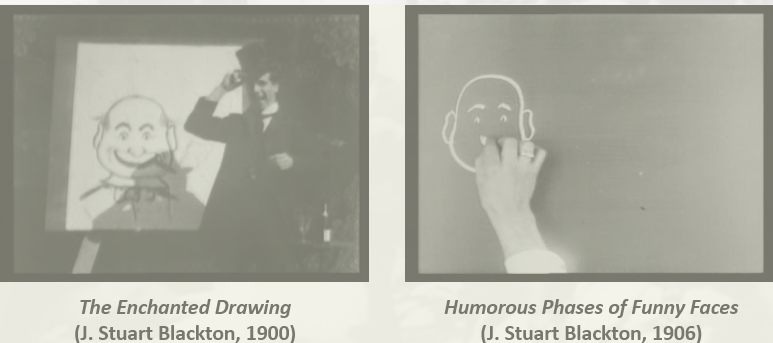
    “The Enchanted Drawing” was shown in our lecture as part of a series of early animation films to demonstrate early methods of trick filming to conjure up magic effects. In this particular animation film, the animator himself makes an appearance in disguise as a magician to signify to the audience the strong linkage between animation and stage magic tricks.

    One of the techniques employed in this movie is known as stop trick. In this technique, the movie is paused while something changes in the scene, and filming resumes. When it’s viewed, it looks as if something materialised instantly.

    In the movie, the animator starts by sketching a bottle of wine from his sketchpad. The animator “pulls” the bottle from the sketchpad, and it instantly changes from a sketch to a real bottle of wine. In reality, this trick involved stopping filming. The animator would reach out to pick up what he had drawn, and then a real bottle would appear in his hands. The result would be smooth and seamless, like magic.

    It shows how animation in its early form used tricks of what the eye sees. The animator had control over what he wanted to portray in the image and created illusions of magic where in truth it is formed from editing

    Bibliography ? filmography

  • WORKSHOP 1 – Analysis vs Opinion / The Journey

    in the first workshop for introduction to animation we were taught all about how to analyse media specificvally in this case animation sand film , when analysing media we should not watch for entertainment but for research the analysois should be objective and not be a subjective opinion watching an animation u may not like u shouldnt just be like i hate this or this is boring instead make an informed arguement using evidence and explaining the filmakers choiceswether its visual sfx aorr pacing and explain what effect this has on you as the veiwer. we were practically told to analyse the film before u bash it

    JOURNEY 1970 by Daniel szczechura

    Initial emotional reaction:

    My initial emotional response to this animation was that it seemed really dull and kind of annoying because, at first glance and in the first few seconds, nothing really happened, and you could just hear a bunch of repetitive screeching noise throughout the majority of the animation. When I first watched it, it was easy for me to get distracted by anything else because the repetitive starts make you think nothing really happened and it’s just a never-ending GIF. Despite feeling that way about the animation, I was really captivated by the monochrome and textured art style. I use textured and noise-filled retro-looking art as a major source of inspiration for my own work; the style initially seemed like a waste.

    Analysis

    When I watched it a few more times, I noticed a lot more things. In particular, at the beginning of the animation, you can hear the annoying screechy noise that sounds a lot like velcro, and then there is a jingle noise after I realised how it would slightly change at certain points in the animation. For instance, when the character opened the window for the first time, the jingke sound slightly changed, and when they were almost approaching a new city with a modern-styled background that greatly contrasted the fields that had been shown at the beginning of the animation, the sounds sort of started to echo and sound more factory-like. When the train finally appears in the city’s stylised surroundings, or should I say at the train station, the sounds start to sound more digital than they did before.

    this does make me think that the animation might have something to do with time in ways than one one thing that does support the idea of past and future is how rthe background changes not jist form feilds to a white more detailed building but that u can see in the backgrounds as the ytrian moves a long differnt archeteture throughjout time liek i saw a barn house and i also saw yellow huts . if this aniamtion is supposed to signify the contrast between of past i think the animator uses other design elements to show the contrast in his feelings about the past and the future or potentiallly beven between rural countrysides and busy cities.

    one thing i noticed a lot was the differnce it the background compistion between both parts of the animation the start being the country side and middle being the busy trainstation although the framing of the train is prominnent in both instances behind teh silhouette of the charecter thw indow space shows a lot it especially shows in the beging the country side the emptyness the more open and free spaces it is underwelhing and pretty much open but when it gtes to the trainstation the building takes up a lot of the background composyition as well as silhouiettes of people and it seems way more overwhelming than the countryside the fact that teh silhouetees of peopel even distrupt the framing of the train conceling the charecter before they disappear shows the overcrowded feeling of the trainstation

    another thing i relaised with the noise is that it corresponds with the metal bars shown passing while train moves a long and in the end when the red bar passes the sound changes again and also starts to get a lot more louder

    Bibliography / Filmography:

  • Elephant and castle: Brief